Current Seminarians
Meet the Seminarians from the Archdiocese of Omaha
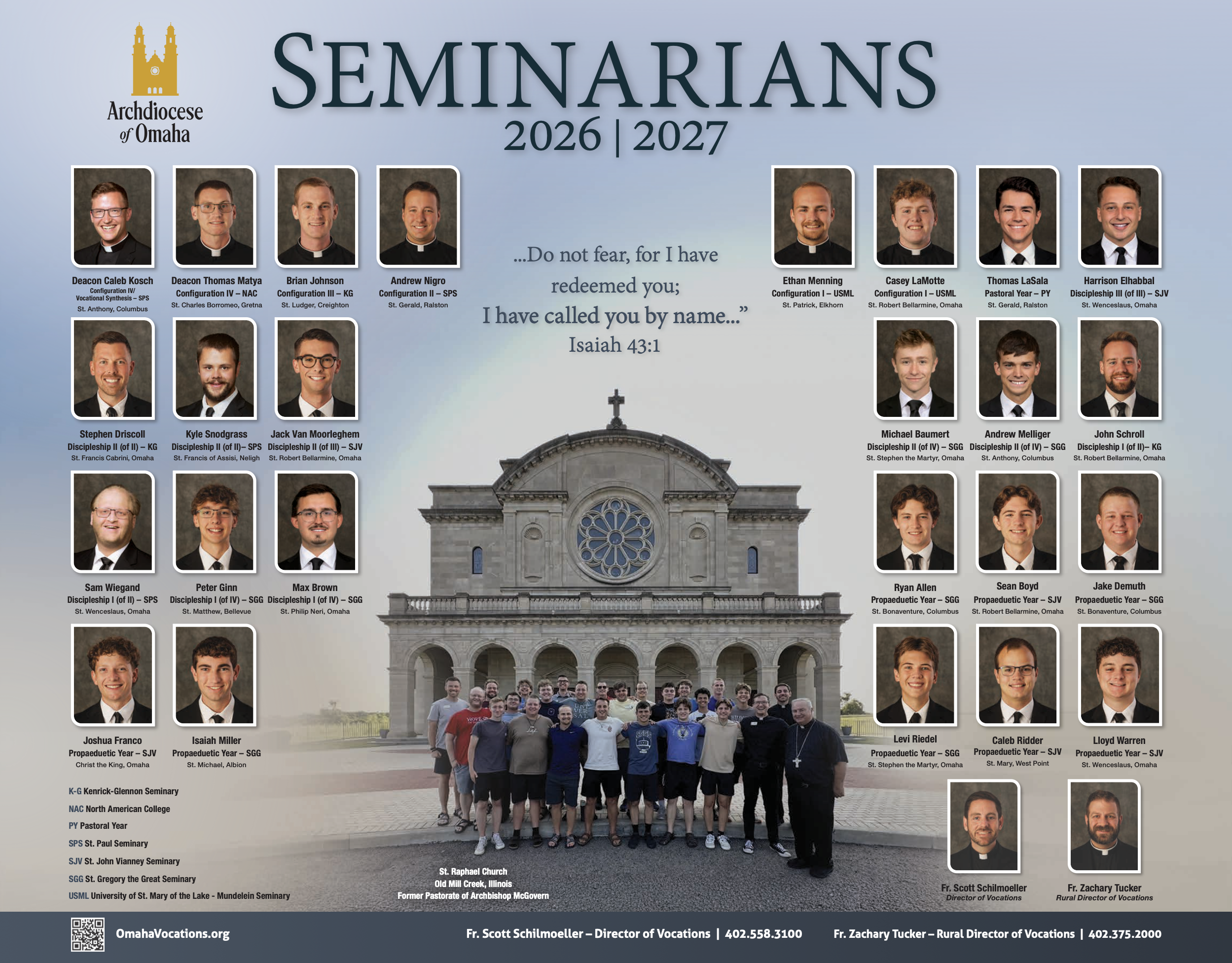
The seminarians of the Archdiocese of Omaha exhibit a wide variety of interests, hobbies, and talents. They represent a diverse group of high school graduates, college transfers, college graduates, and occupational and professional workers. Download the poster or prayer card below to pray for our seminarians.
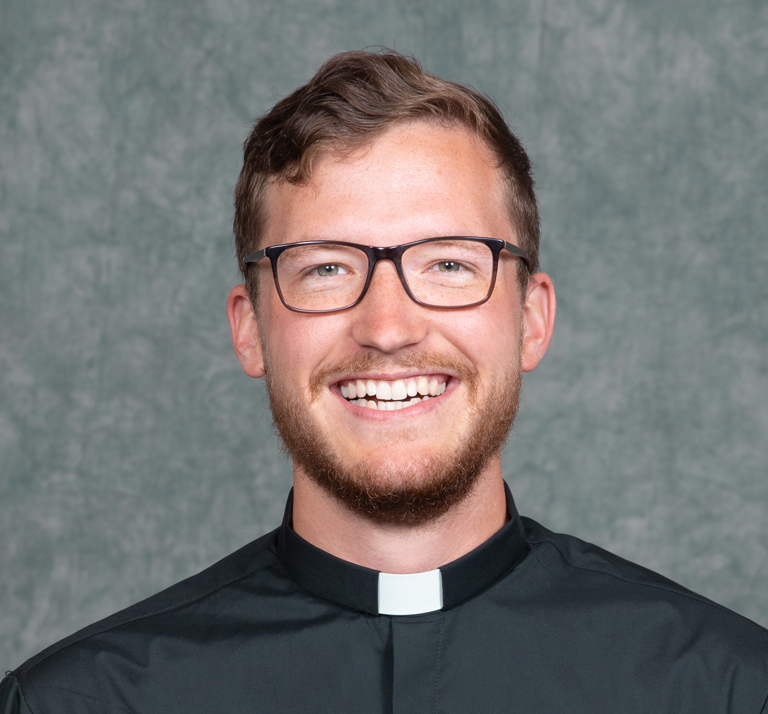
Deacon Caleb Kosch
Configuration IV
St. Paul Seminary
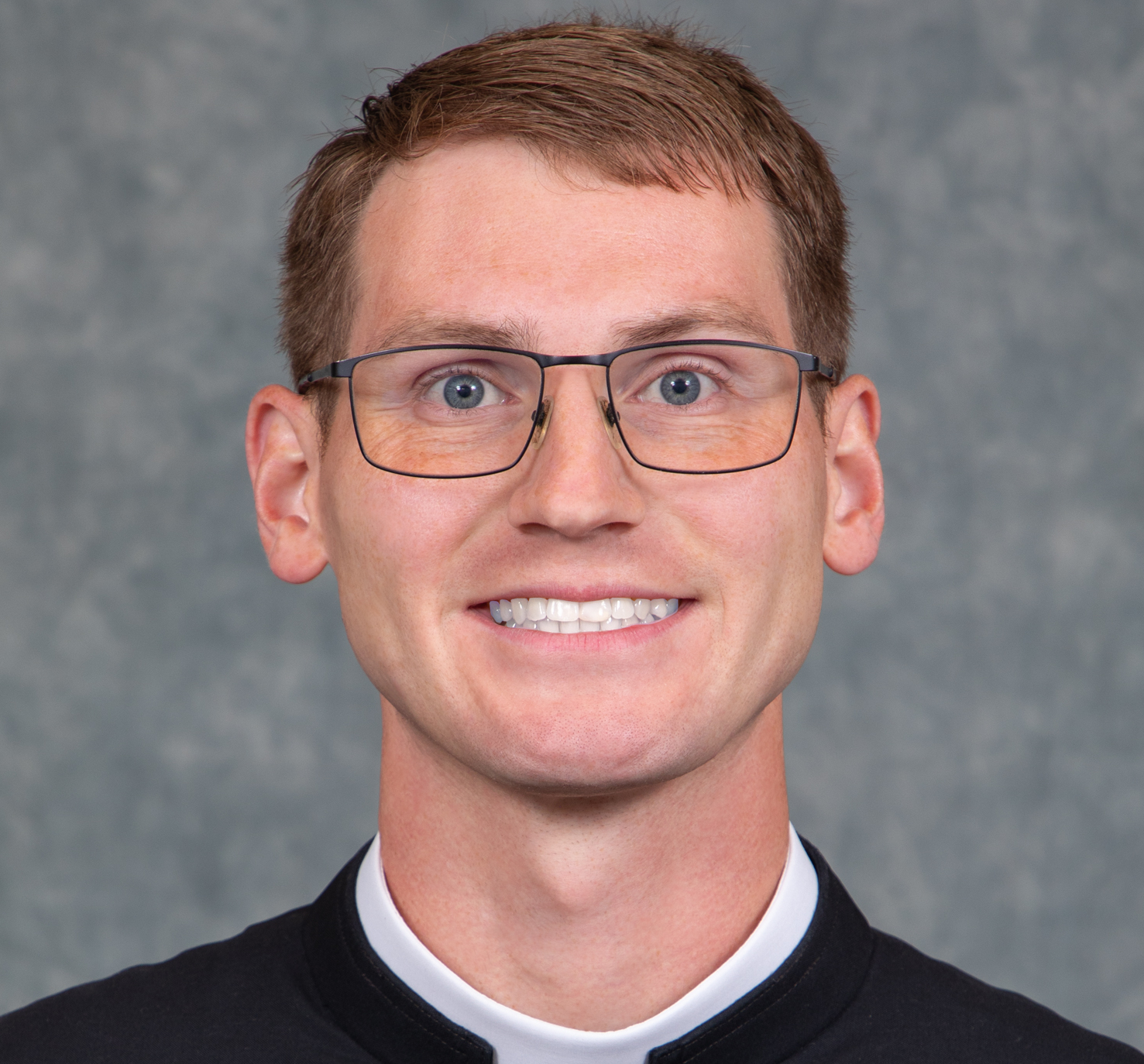
Thomas Matya
Configuration IV
North American College
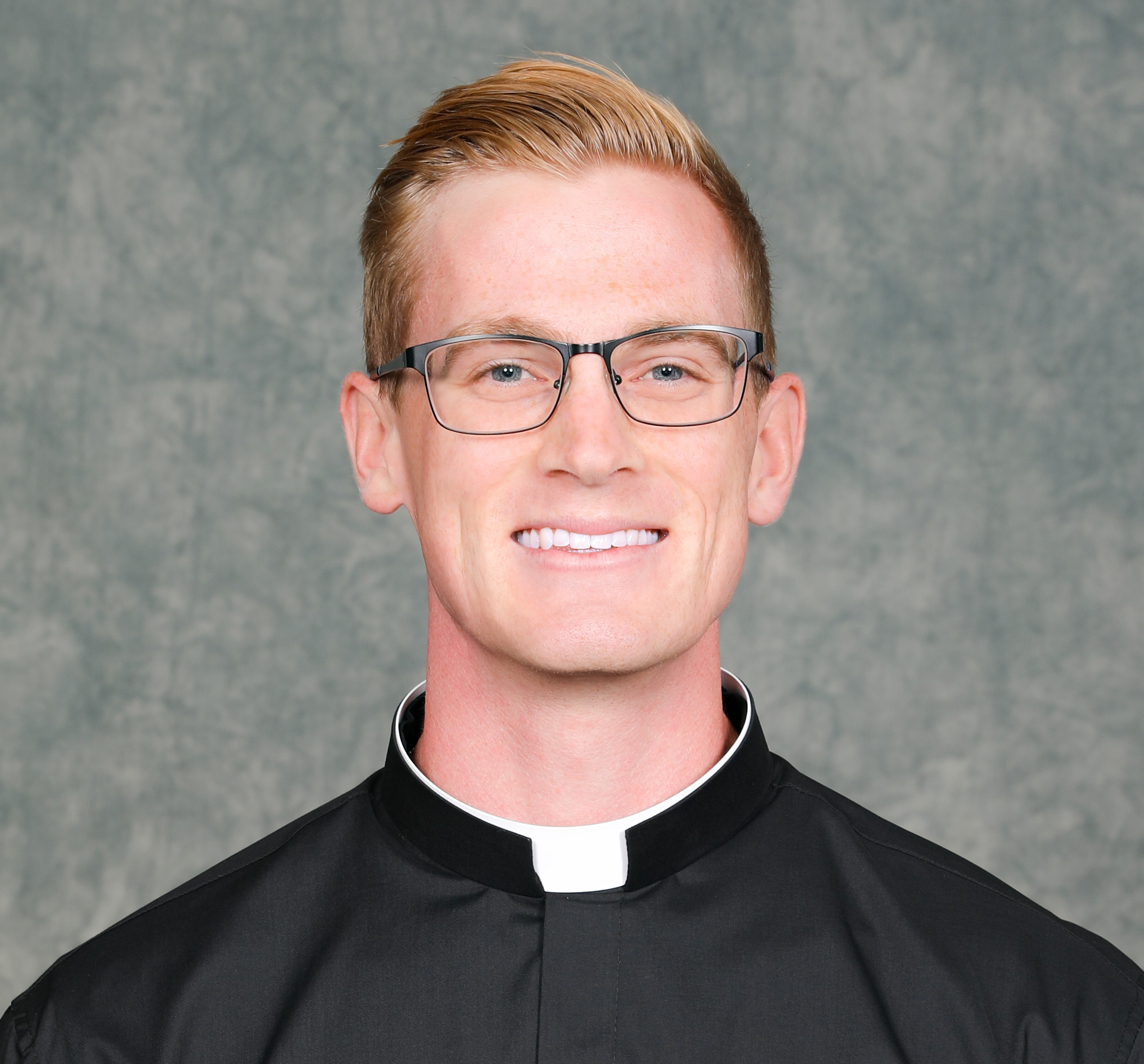
Brian Johnson
Configuration III
Kenrick-Glennon Seminary
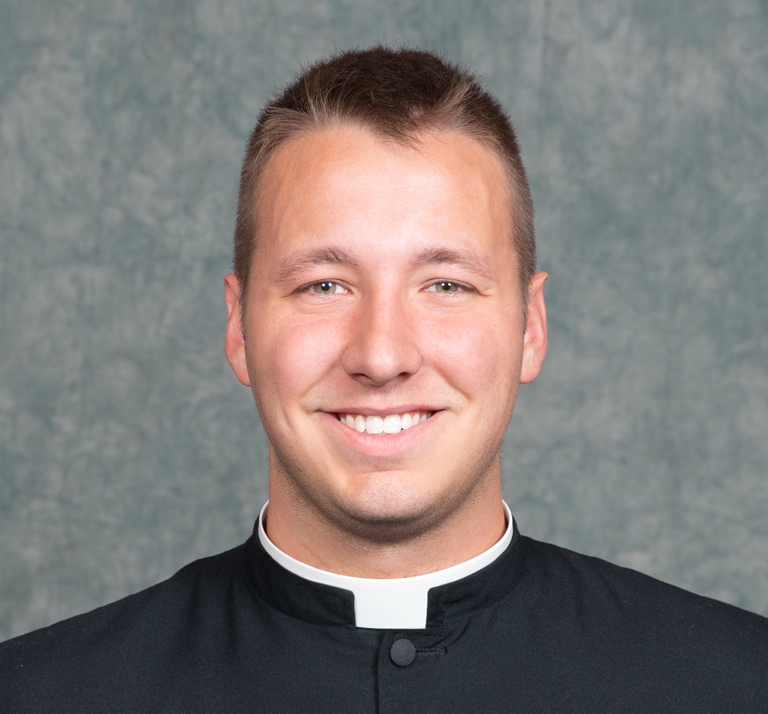
Andrew Nigro
Configuration II
St. Paul Seminary
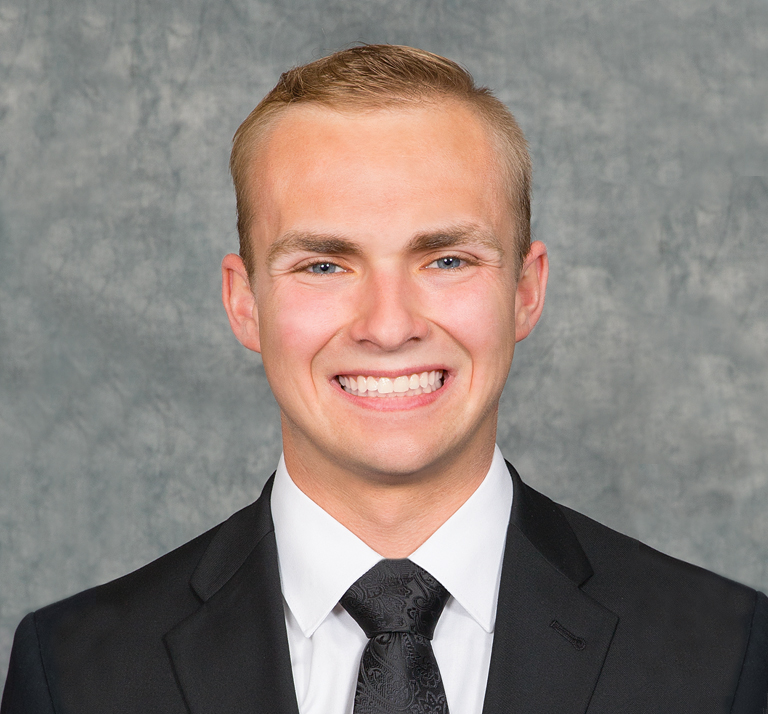
Ethan Menning
Configuration I
Mundelein Seminary
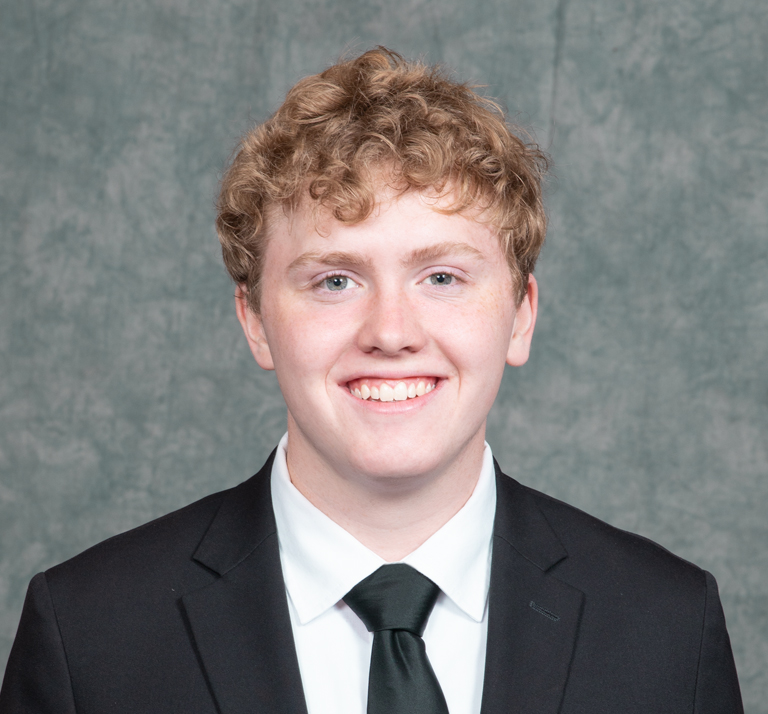
Casey LaMotte
Configuration I
Mundelein Seminary
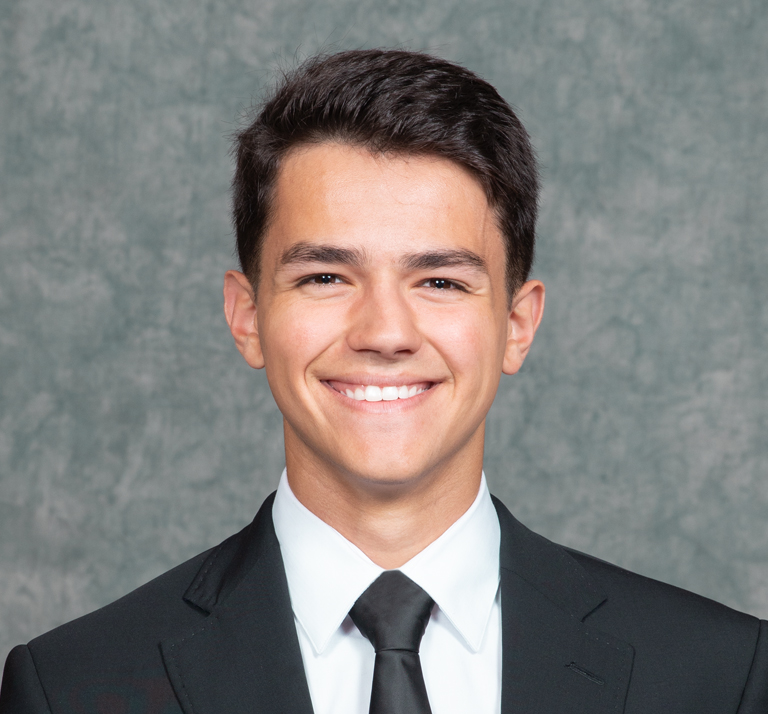
Thomas LaSala
Pastoral Year
St. John Vianney Seminary
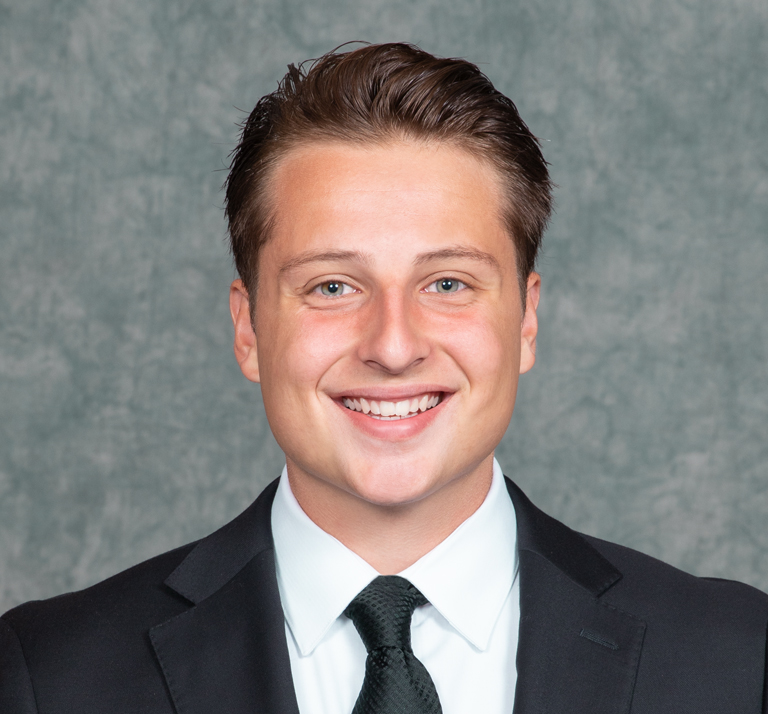
Harrison Elhabbal
Discipleship IV
St. John Vianney Seminary
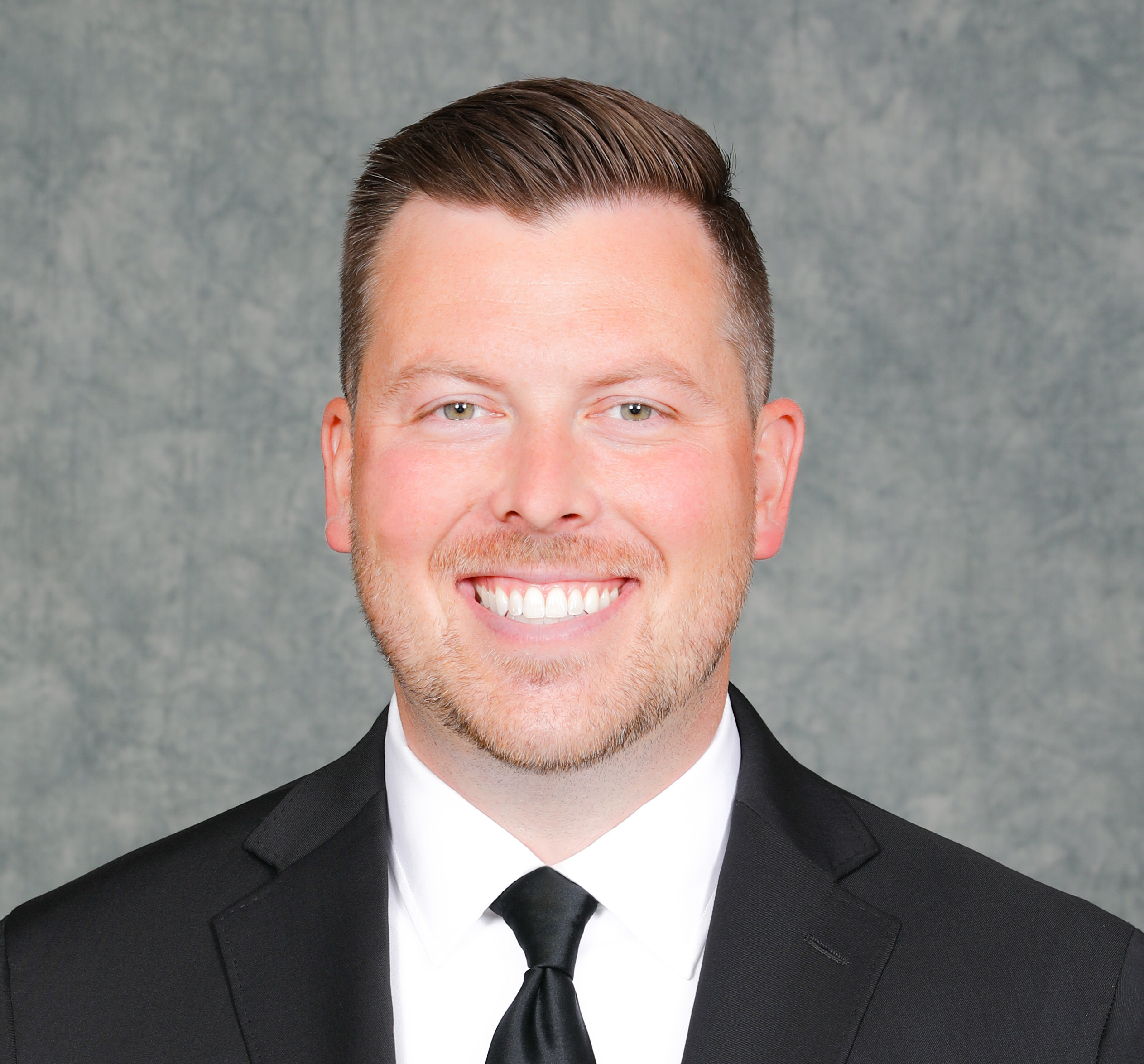
Stephen Driscoll
Discipleship IV
Kenrick-Glennon Seminary
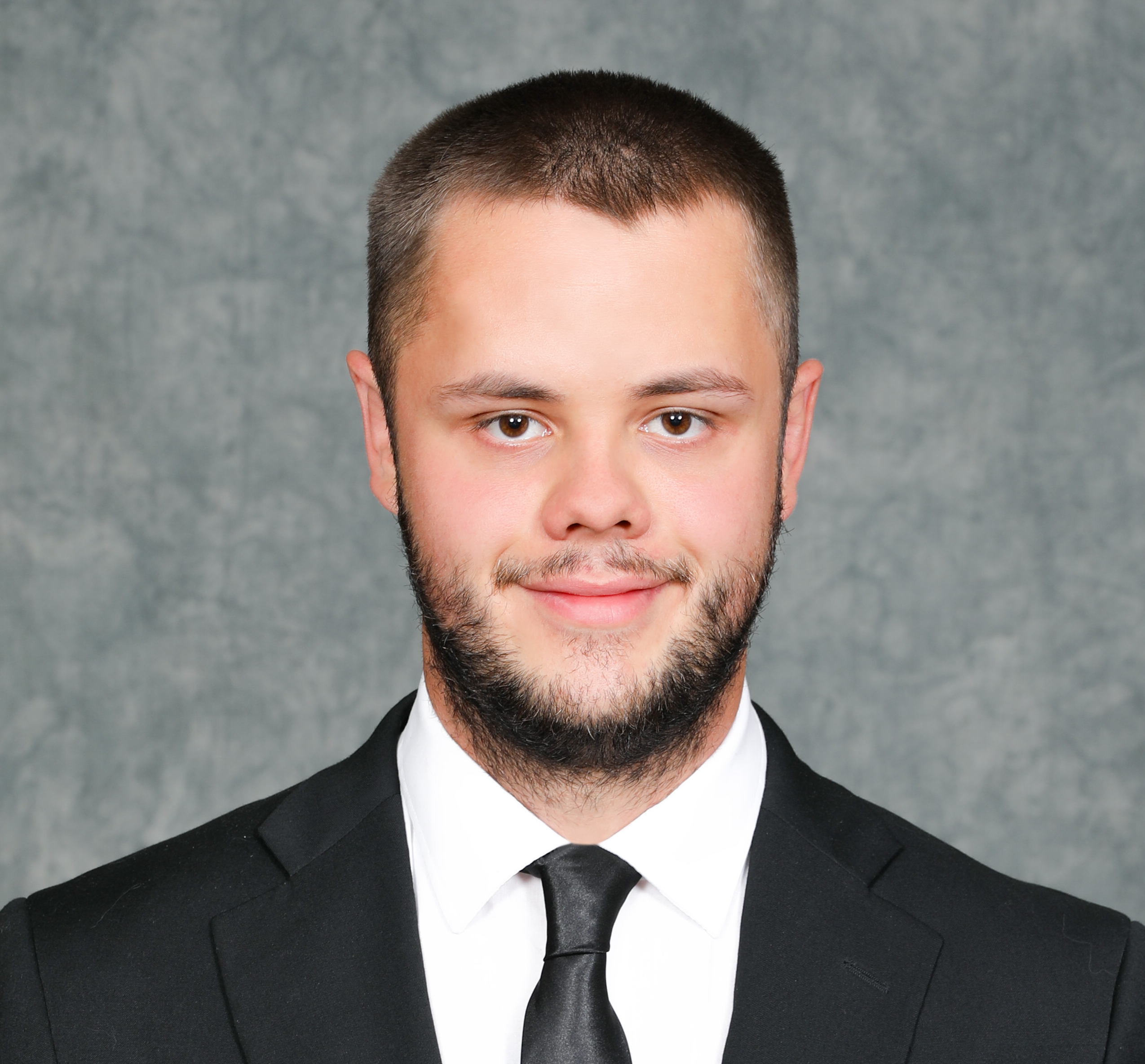
Kyle Snodgrass
Discipleship IV
St. Paul Seminary
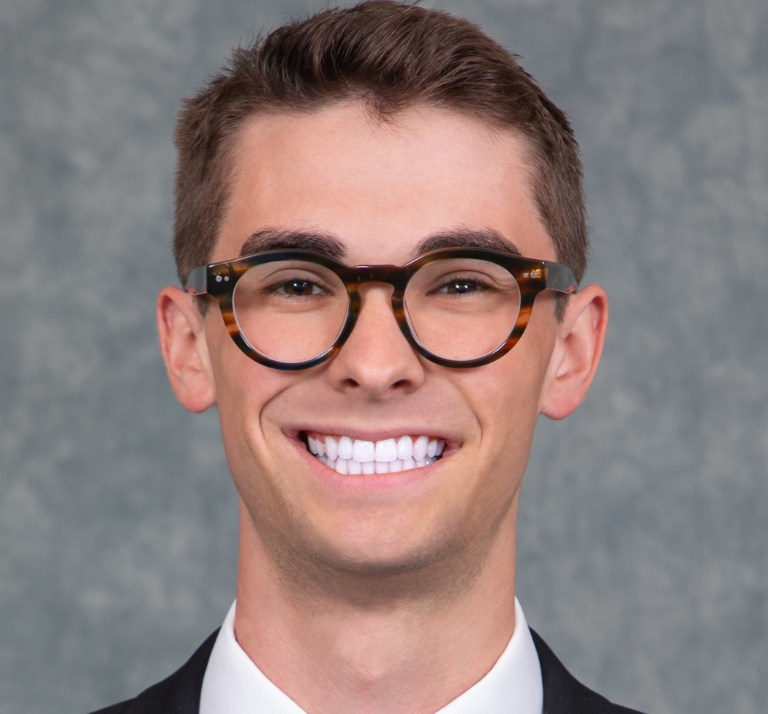
Jack Van Moorleghem
Discipleship III
St. John Vianney Seminary
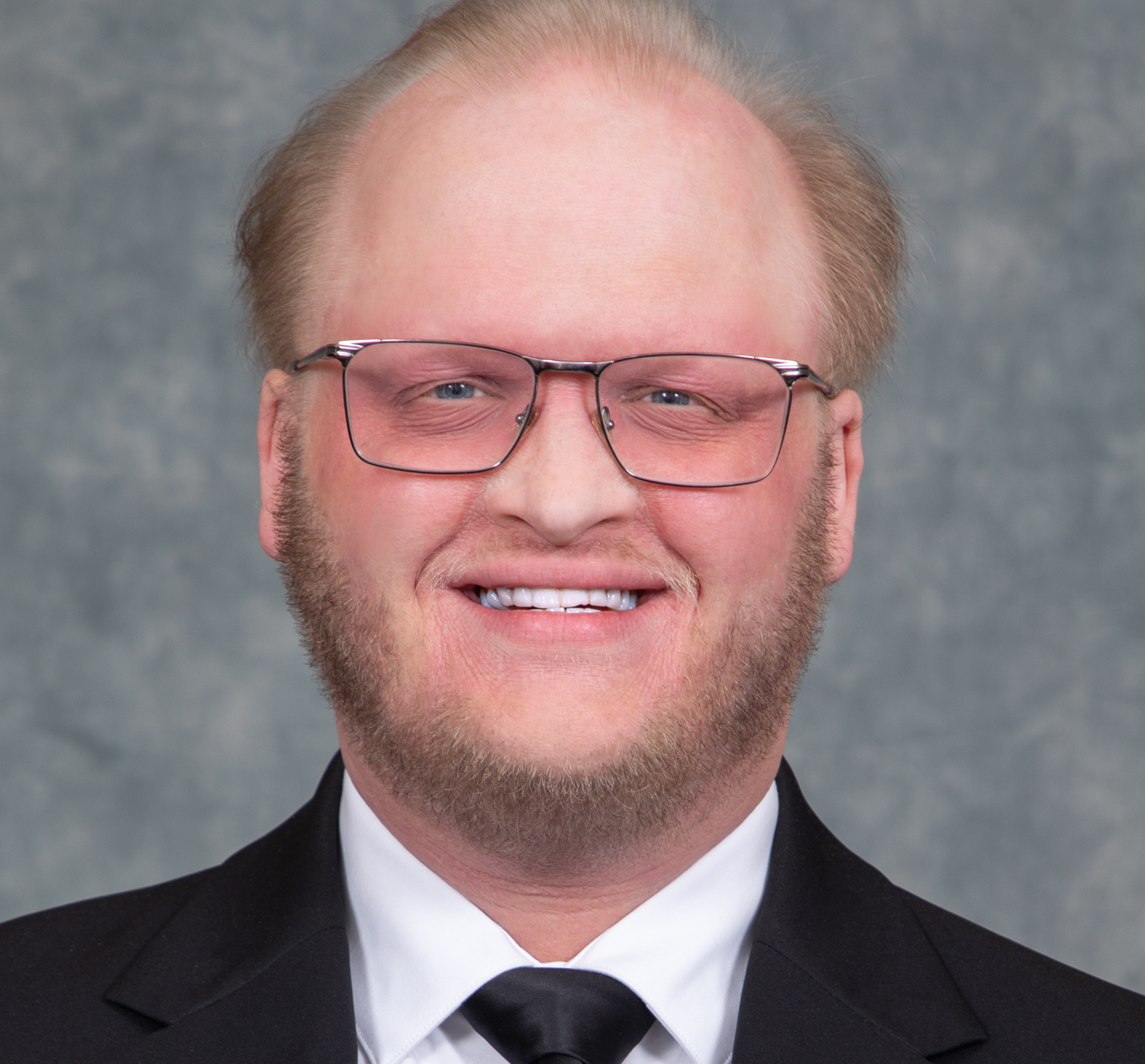
Sam Wiegand
Discipleship III
St. Paul Seminary
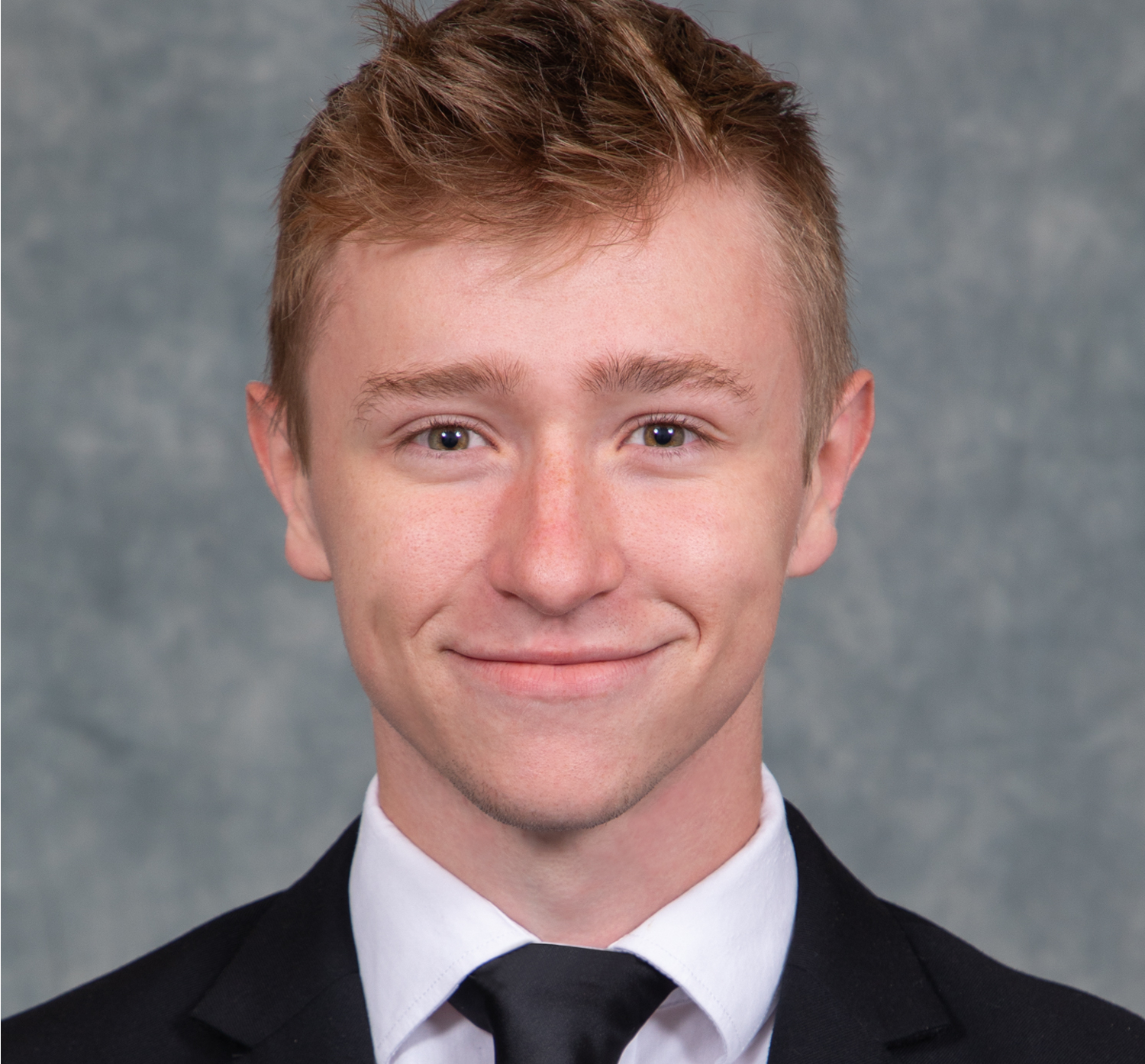
Michael Baumert
Discipleship II
St. Gregory the Great Seminary
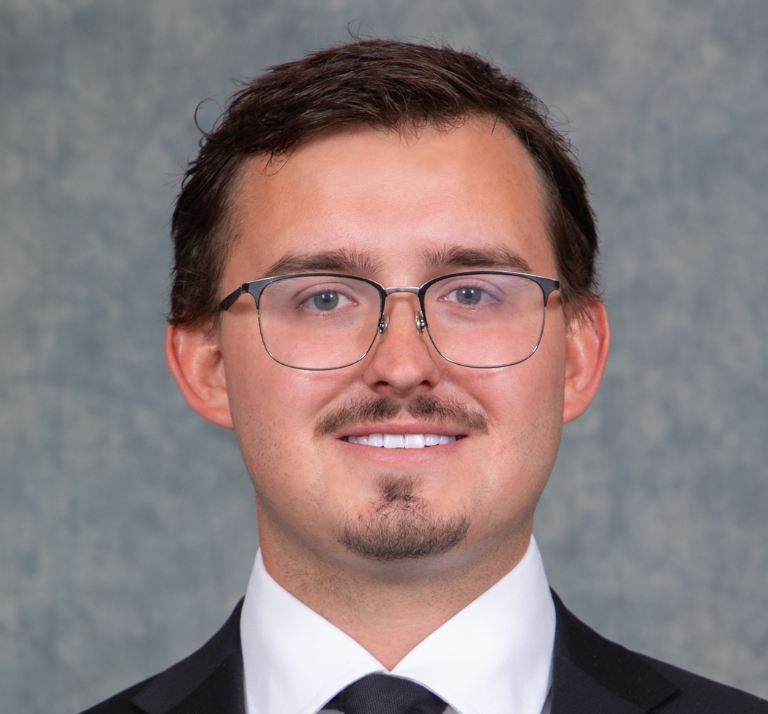
Max Brown
Discipleship II
St. Gregory the Great Seminary
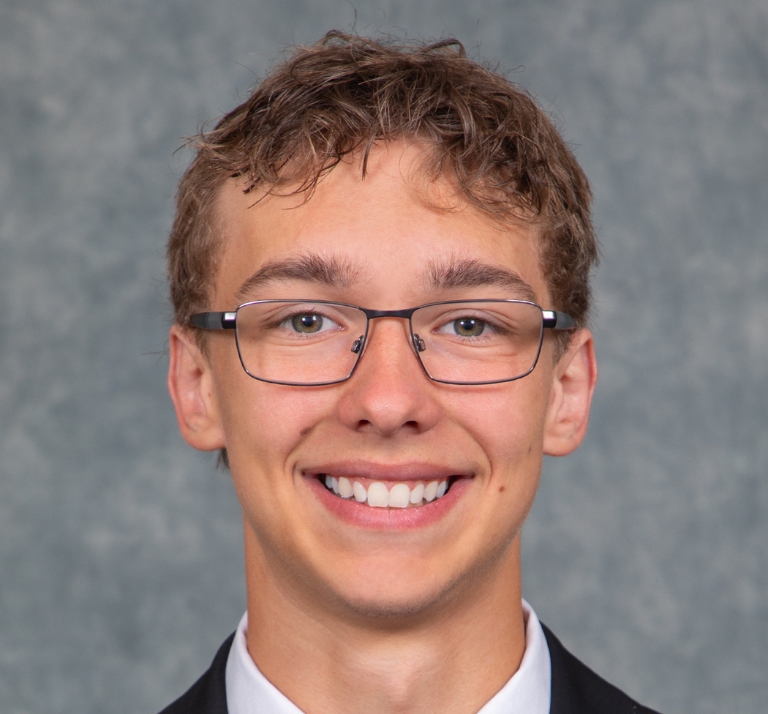
Peter Ginn
Discipleship II
St. Gregory the Great Seminary

Andrew Melliger
Discipleship II
St. Gregory the Great Seminary
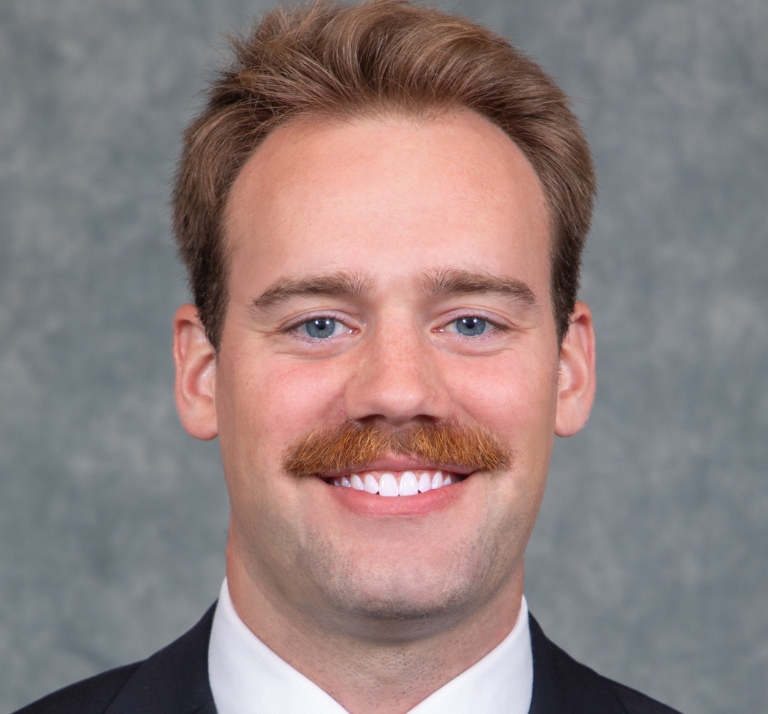
John Schroll
Discipleship II
Kenrick Glennon Seminary
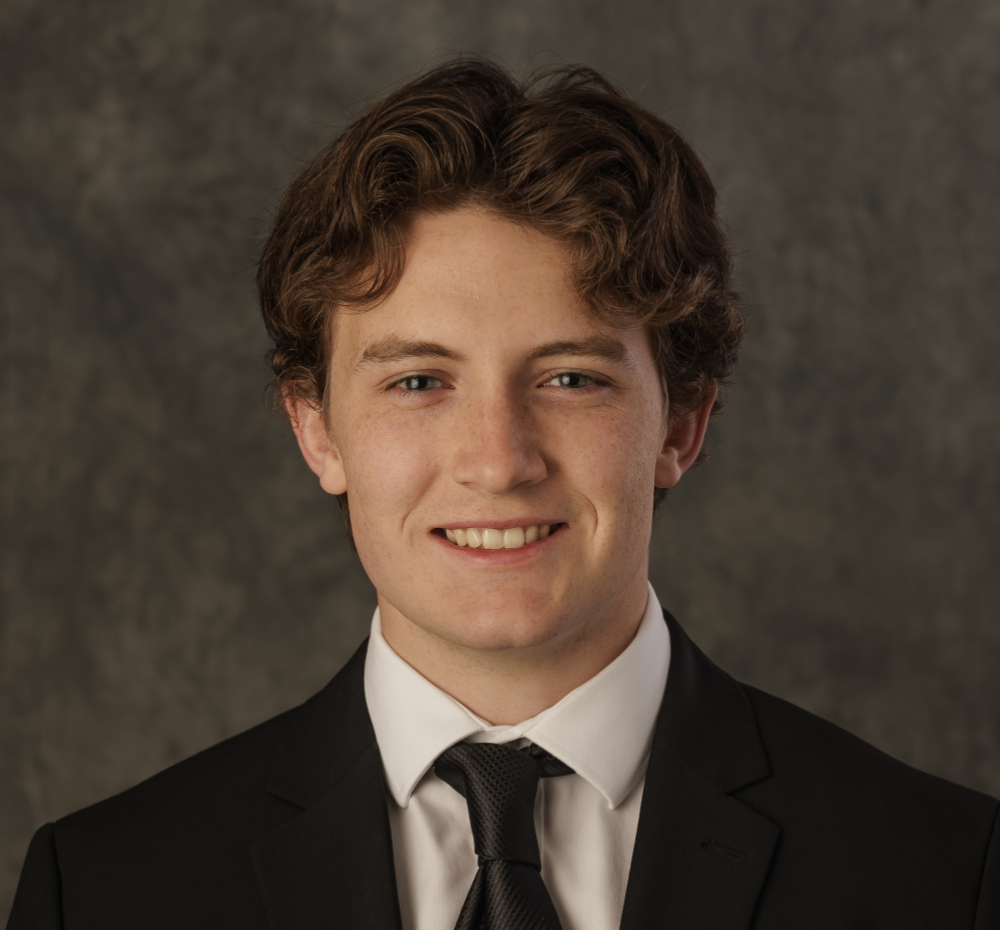
Ryan Allen
Propaedeutic Year
St. Gregory the Great Seminary
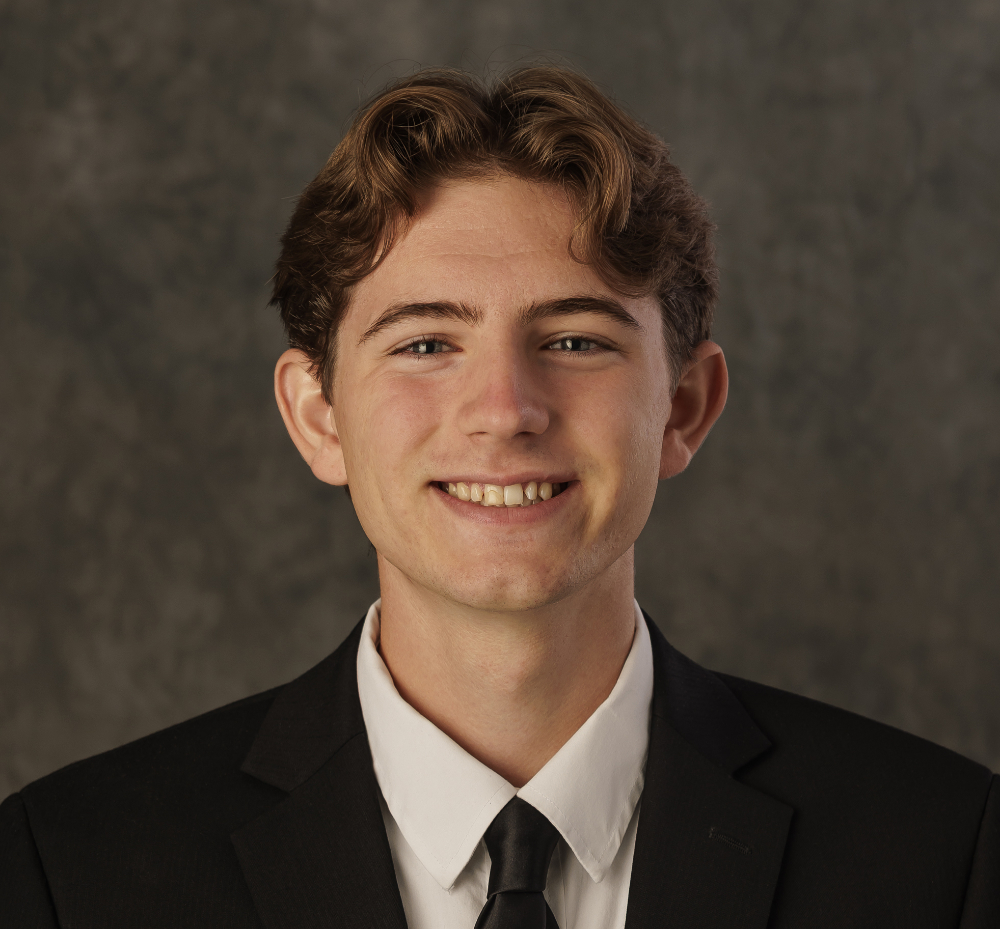
Sean Boyd
Propaedeutic Year
St. John Vianney Seminary
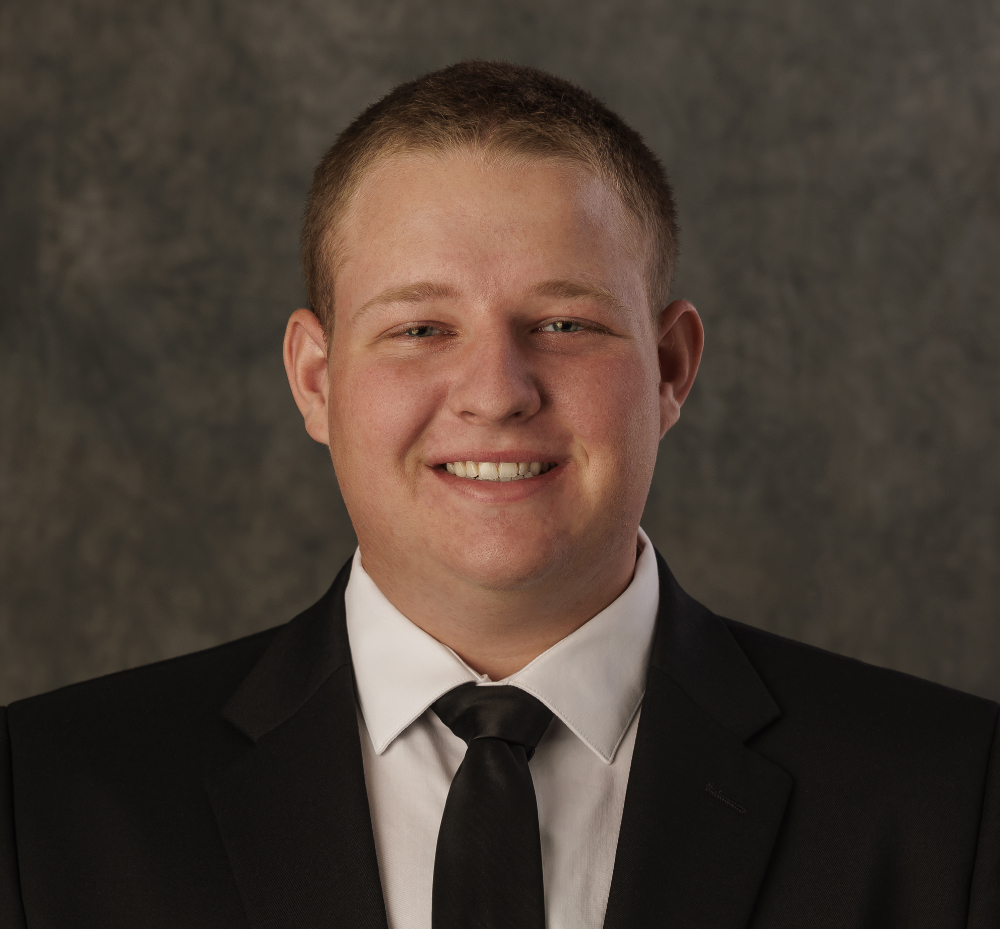
Jake Demuth
Propaedeutic Year
St. Gregory the Great Seminary
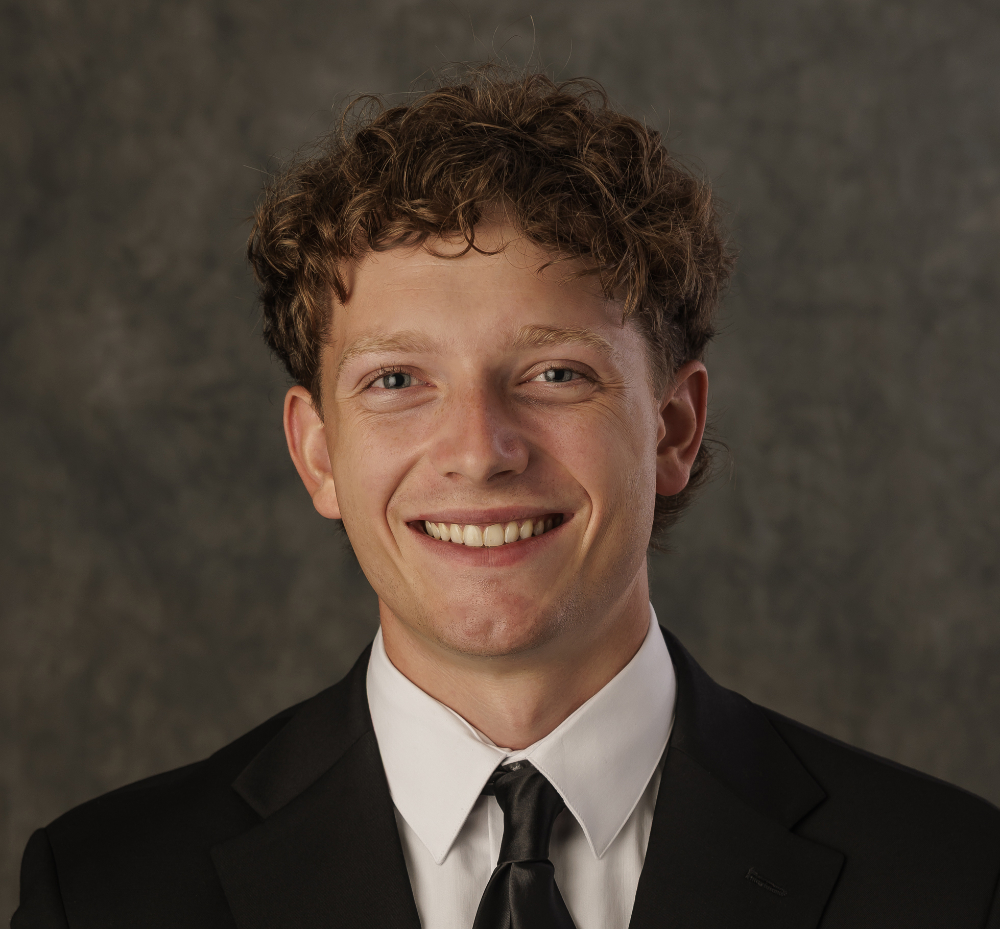
Joshua Franco
Propaedeutic Year
St. John Vianney Seminary
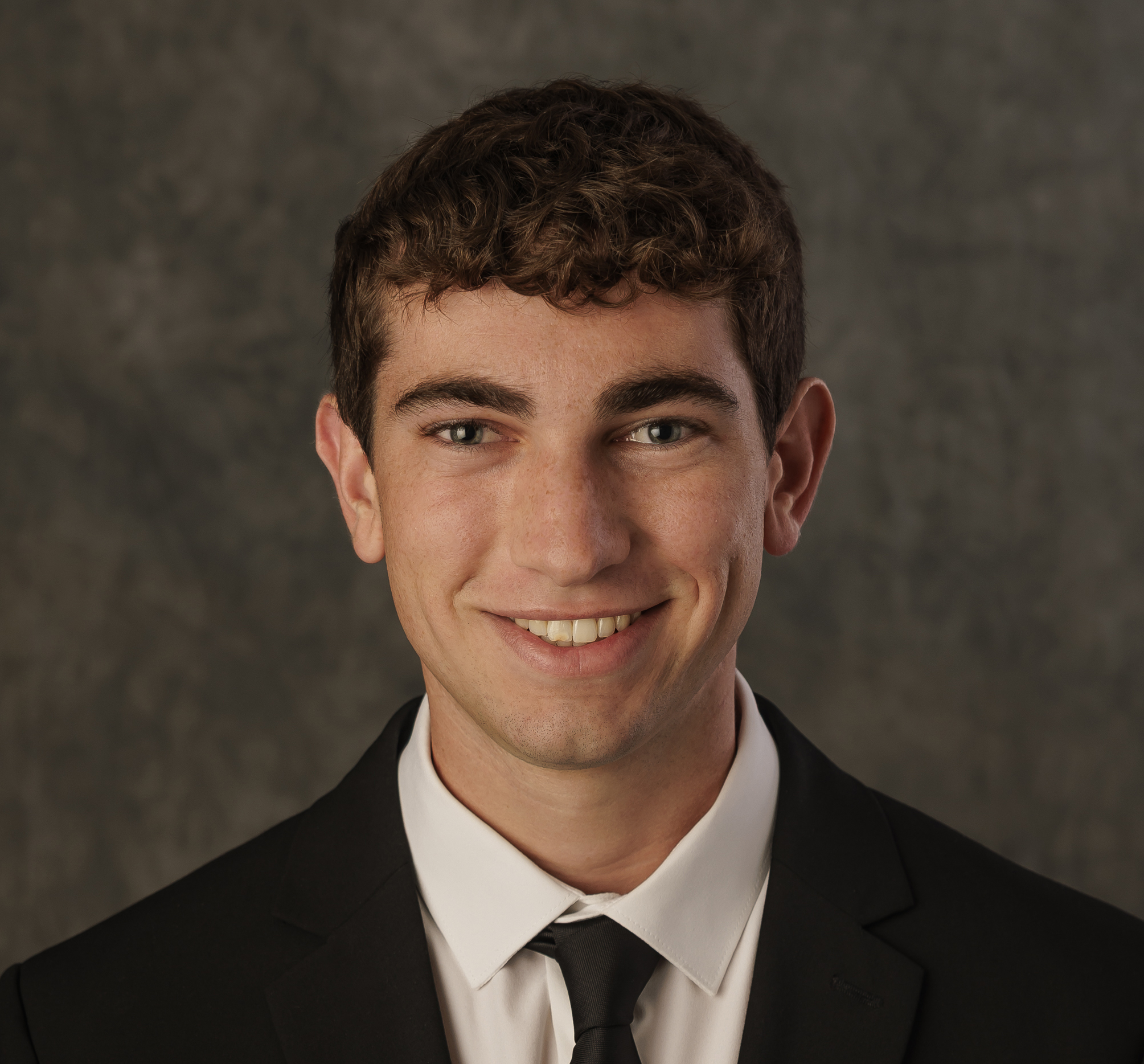
Isaiah Miller
Propaedeutic Year
St. Gregory the Great Seminary
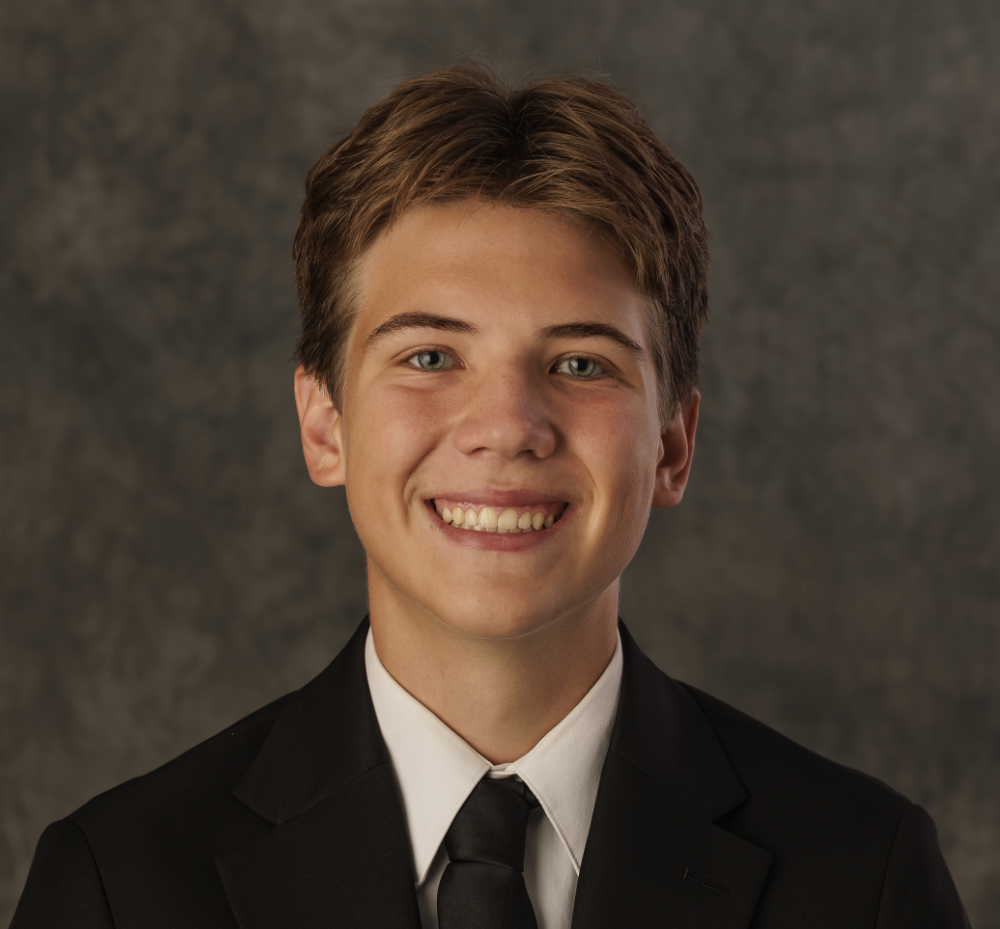
Levi Riedel
Propaedeutic Year
St. Gregory the Great Seminary
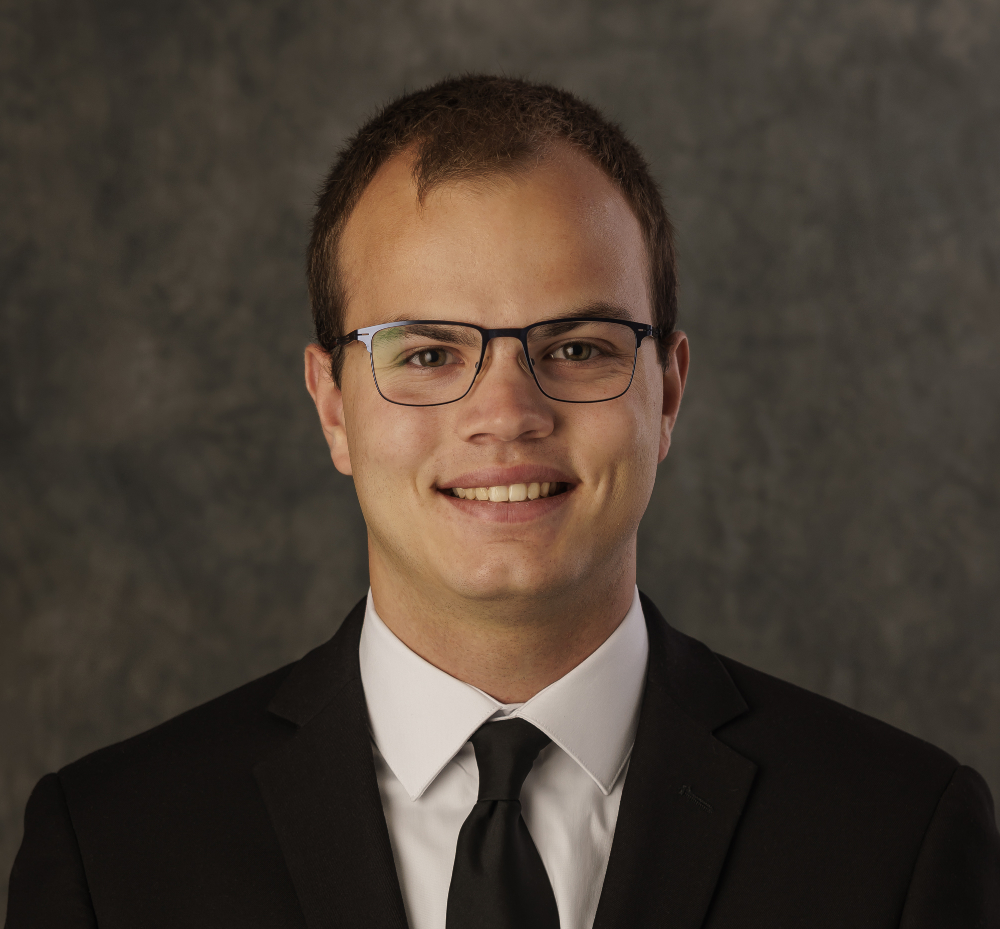
Caleb Ridder
Propaedeutic Year
St. John Vianney Seminary
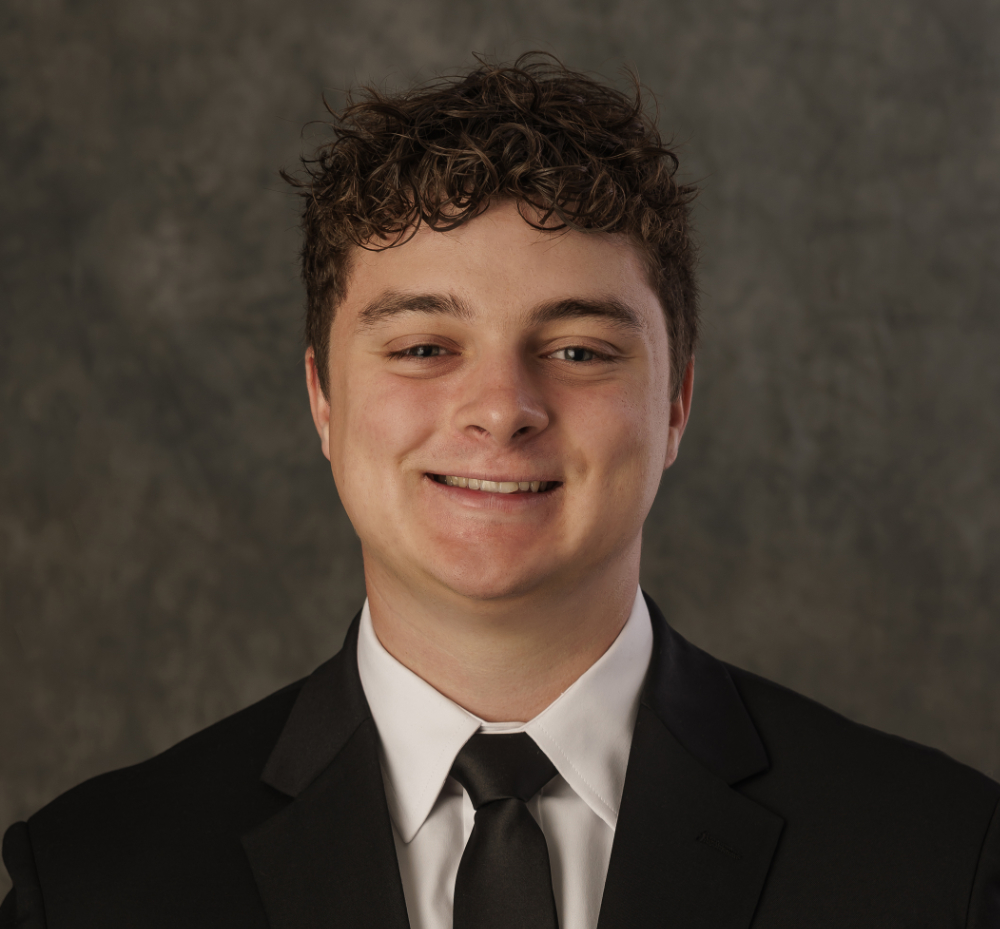
Lloyd Warren
Propaedeutic Year
St. John Vianney Seminary
Learn About The Seminaries
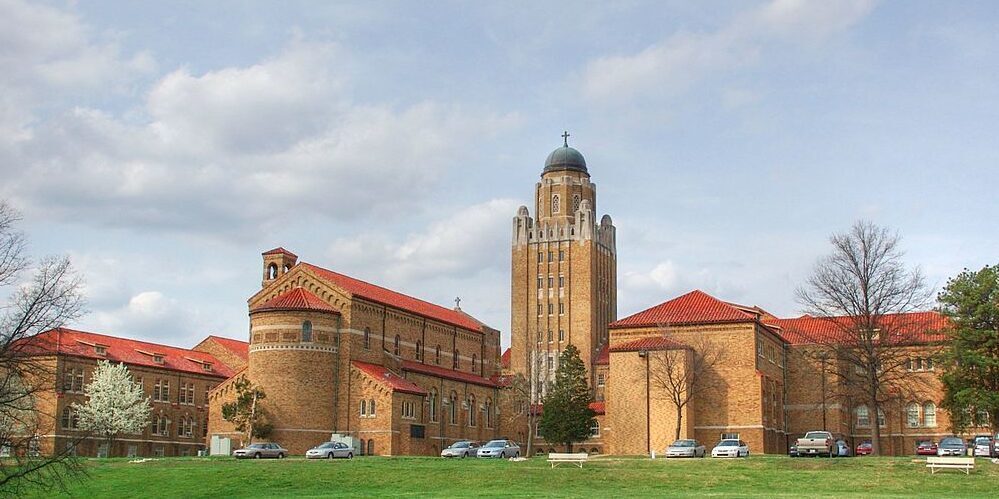
Kenrick-Glennon Seminary
St. Louis, MO
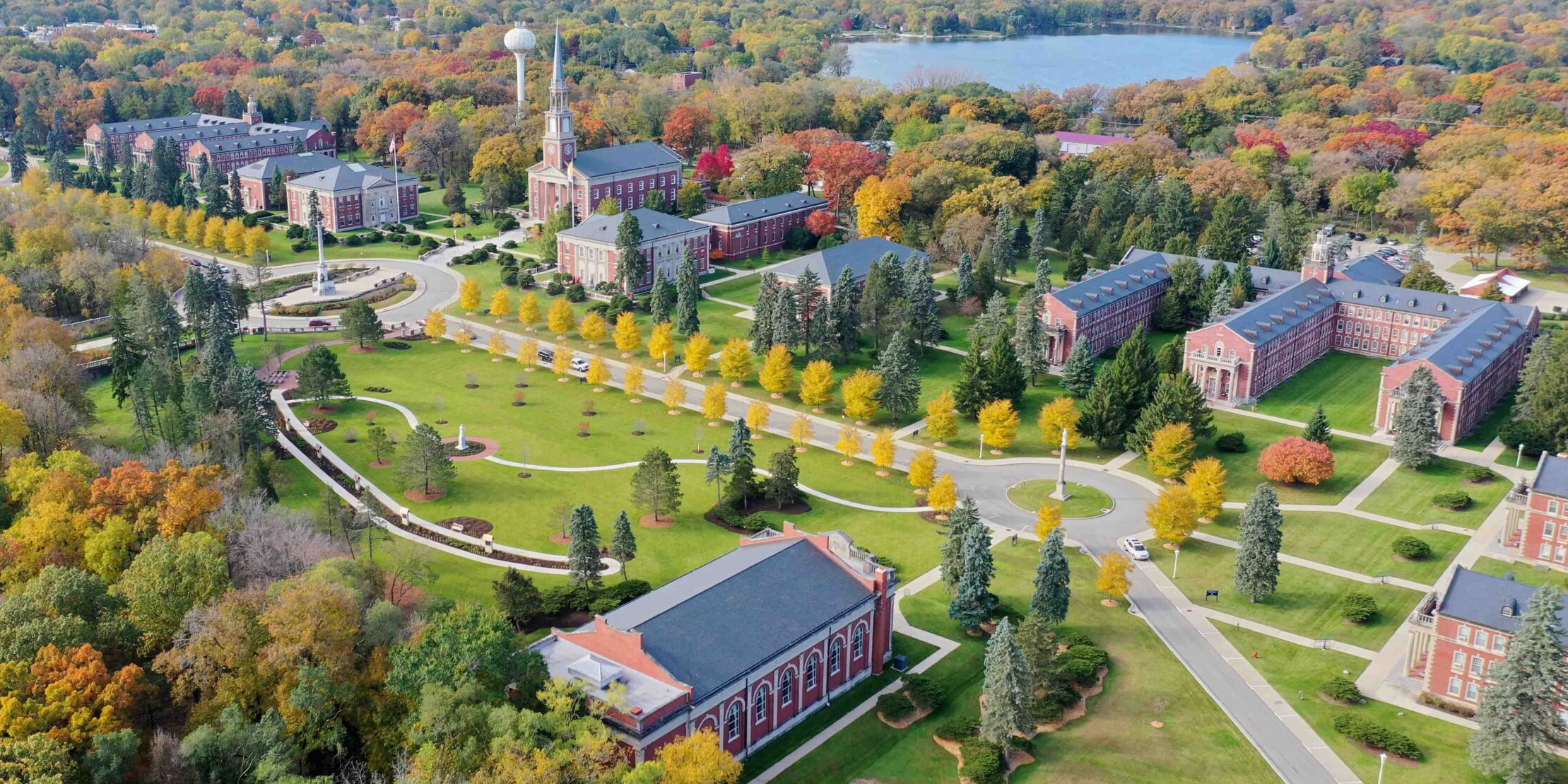
Mundelein Seminary
Mundelein, IL
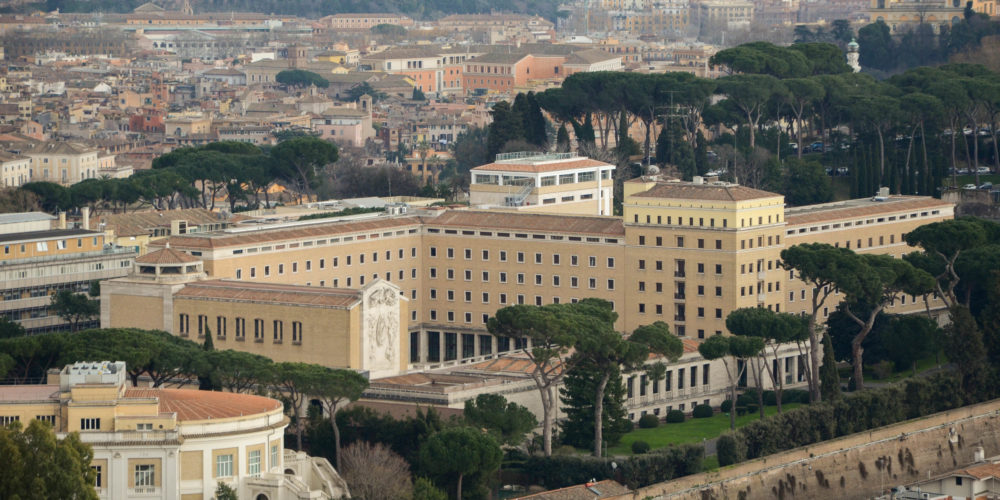
North American College
Rome, Italy
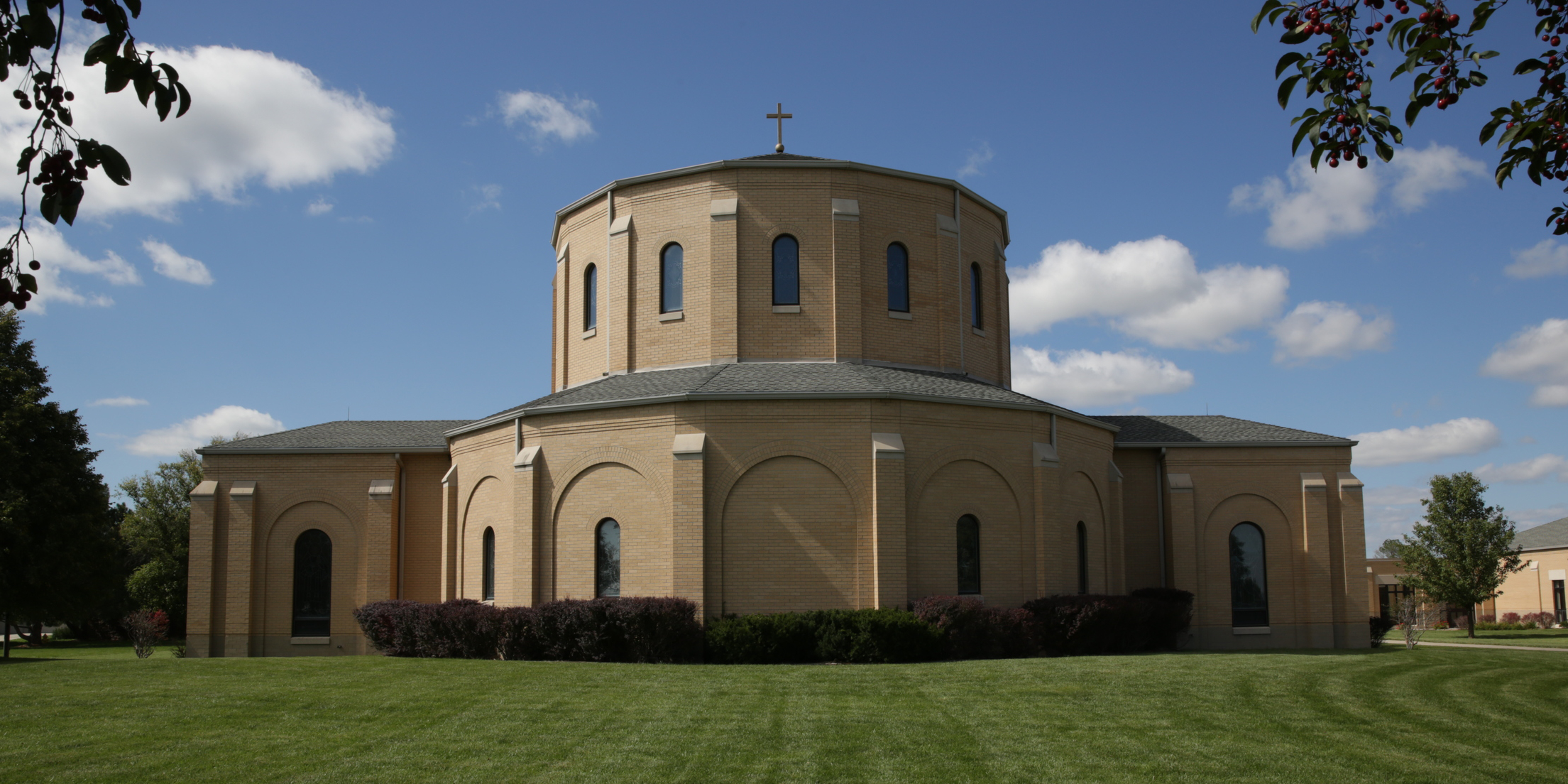
St. Gregory the Great Seminary
Lincoln, NE
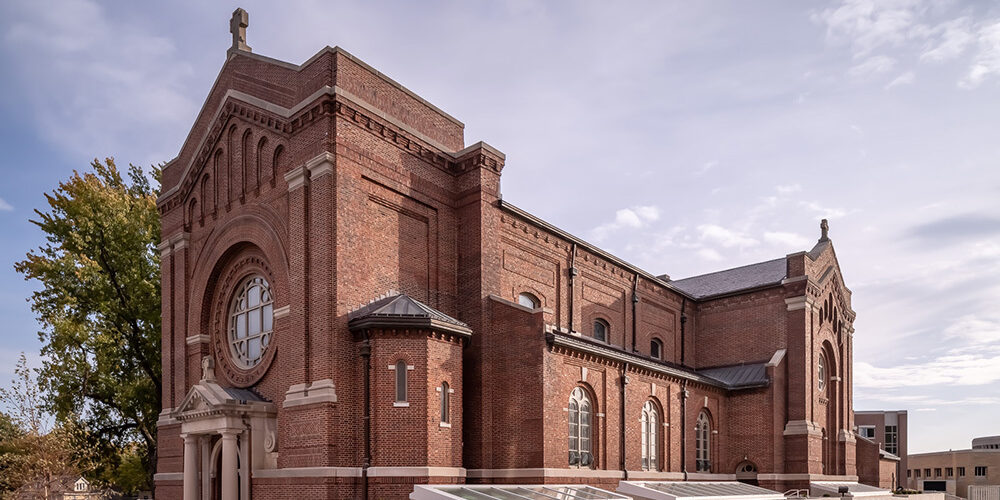
St. John Vianney Seminary
St. Paul, MN
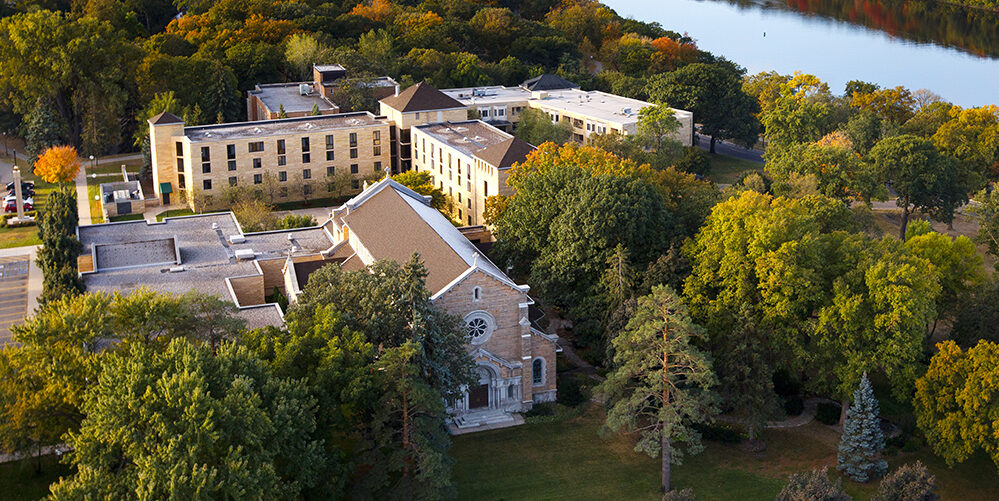
St. Paul Seminary
St. Paul, MN
Stages of Priestly Formation
In order to become a Catholic priest, a man must fulfill three basic requirements: a college degree, 2 years of Philosophy study, and 4 years of Theology study. Some men enter seminary while still in college and so they attend College Seminary. Once they get a degree, they can transfer to Major Seminary. Because the demands of priesthood are so great, formation of future priests is rigorous. In addition to master’s-level academics, seminarians pray together at least twice a day, go to daily Mass, meet with their spiritual directors, and go to pastoral assignments at local parishes.
The Propaedeutic Stage (1-3 years)
Since formation is a lifelong journey, it is important to lay a solid foundation for this journey in the Propaedeutic Stage, especially in the human and spiritual dimensions. This is a non-academic stage which allows the seminarian to lay a foundation for a new way of life through prayer, study, fraternity, and appropriate docility to formation.
The Discipleship Stage (2 years)
In the Discipleship Stage there is a systematic and rigorous formation that has at its core the goal of growing in an intimate relationship with Jesus Christ through the life of meditation, contemplation, philosophical study, and the training of one’s character in Christian virtue.
The Configuration Stage (4 years)
In this stage, the seminarian models his life on the self-donation of Jesus Christ, Shepherd and Servant, as he prepares more immediately for Holy Orders. Reception of Candidacy, and conferral of the ministries of lector and acolyte occurs during this stage, marking the progressive deepening of this self-configuration to Christ both liturgically and in catechesis, evangelization, and active service to the poor.
The Vocational Synthesis Stage (6 months – 1 year)
This stage is the period of formation between diaconal and priestly ordinations. Occurring upon the completion of formal seminary formation, it is intended as a time of integration and transition into one’s diocese. This stage is a gradual realization of the cleric’s responsibility for the care of souls while he resides full-time in a parish.